
ADU Liquefaction Analysis & Soils Investigation in San Jose, CA

San Jose reviews most ADU plan sets in four to twelve weeks and issues more ADU permits by raw count than any other Bay Area city. That volume means plan checkers are efficient, but also thorough: an incomplete or generic geotechnical report is a common reason a San Jose ADU submittal gets kicked back for revisions.
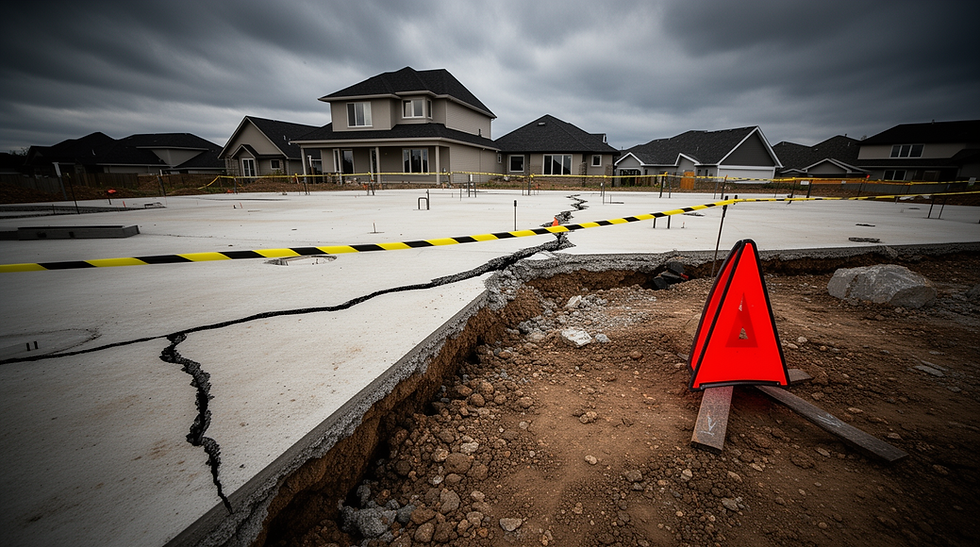
Most San Jose parcels sit on valley-floor alluvium, which places a large share of the city within state-mapped liquefaction hazard zones. For these flatland sites, AK Geotech's investigation includes a liquefaction hazard screening and, where the site falls inside a mapped zone, a quantitative liquefaction analysis with settlement estimates and foundation recommendations designed around that risk -- typically a mat foundation or deepened, reinforced footings.
For the smaller share of San Jose lots in the eastern and southern foothills, the geotechnical scope shifts toward slope stability rather than liquefaction: evaluating the building pad, any cut or fill slopes created by the ADU, and drainage so runoff doesn't concentrate near the new structure or an existing hillside home. We scope each San Jose project to the site's actual soil conditions rather than a one-size-fits-all report.
What's included
Liquefaction hazard screening and quantitative analysis where required
Slope stability analysis for foothill parcels
Subsurface exploration and soil classification
Foundation type, bearing capacity, and settlement recommendations
Seismic design parameters (current CBC)
Formal geotechnical report for permit submittal
For an ADU geotechnical investigation anywhere in San Jose -- flatland or foothill -- contact AK Geotech for a scoped proposal.



Comments