
Why You Need an ADU Soils Report: Residential Soil Testing Guidelines

Building an Accessory Dwelling Unit (ADU) on your property is a significant investment. It requires careful planning and adherence to local regulations. One critical step in this process is obtaining a soils report. This report provides essential information about the soil conditions on your site. Understanding these conditions helps ensure the safety, stability, and longevity of your ADU. In this article, I will explain why a soils report is necessary, what it includes, and how it fits into residential soil testing guidelines.
Understanding Residential Soil Testing Guidelines
Before starting any construction project, it is important to follow residential soil testing guidelines. These guidelines help identify the soil’s characteristics, such as composition, strength, and drainage capacity. In California, where soil types and seismic activity vary widely, these tests are especially important.
Soil testing typically involves drilling boreholes and collecting samples at different depths. These samples are then analyzed in a laboratory to determine factors like:
Soil type (clay, sand, silt, etc.)
Bearing capacity
Moisture content
Potential for soil expansion or shrinkage
Presence of contaminants
Following these guidelines ensures that the foundation design for your ADU is appropriate for the soil conditions. It also helps prevent future problems such as foundation settling, cracking, or water intrusion.

The Importance of a Soils Report for ADU Construction
An ADU soils report is a detailed document prepared by a geotechnical engineer. It summarizes the findings from soil testing and provides recommendations for construction. This report is often required by local building departments before issuing permits.
The report helps in several ways:
Foundation Design: It guides engineers on the type and depth of foundation needed.
Site Preparation: It identifies any soil issues that require remediation, such as poor drainage or unstable soil layers.
Cost Estimation: Knowing soil conditions upfront helps avoid unexpected expenses during construction.
Compliance: It ensures your project meets local building codes and safety standards.
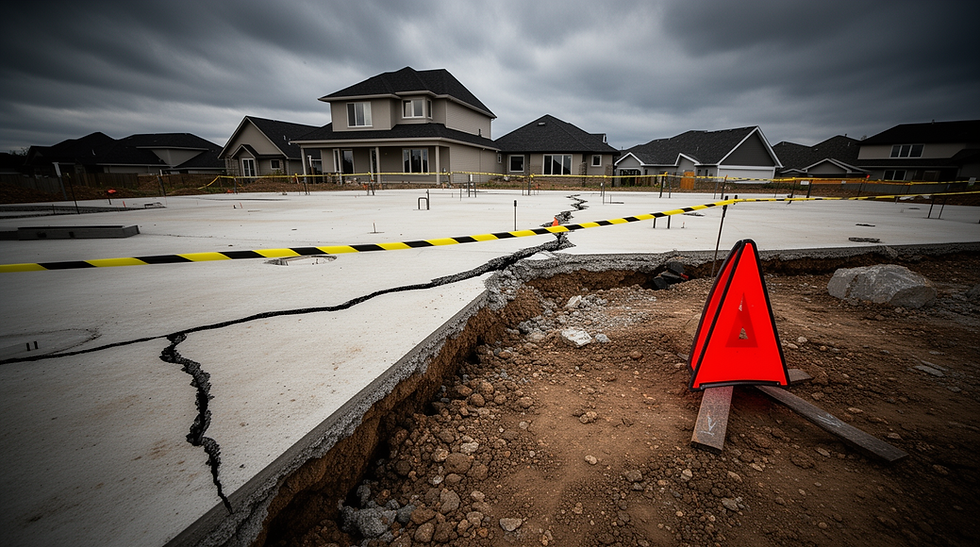
Without a proper soils report, you risk structural problems that can be costly and dangerous. For example, expansive clay soils common in parts of California can cause foundation movement if not properly addressed.
What to Expect in a Soils Report
A typical soils report includes several key sections:
Site Description: Location, topography, and existing conditions.
Field Exploration: Details of boreholes, test pits, and sampling methods.
Laboratory Testing: Results of soil classification, moisture content, and strength tests.
Analysis: Assessment of soil bearing capacity, settlement potential, and liquefaction risk.
Recommendations: Guidance on foundation type, depth, drainage, and any necessary soil treatment.
The report may also include maps and cross-sections showing soil layers and groundwater levels. This information is crucial for architects, engineers, and builders to design a safe and efficient ADU.

How to Obtain an ADU Soils Report
To get a soils report, you need to hire a qualified geotechnical engineering firm. The process usually involves:
Initial Consultation: Discuss your project and site location.
Site Visit: The engineer inspects the property and plans the soil testing.
Field Testing: Drilling and sampling are conducted according to standards.
Laboratory Analysis: Samples are tested for various soil properties.
Report Preparation: The engineer compiles findings and recommendations.
The timeline for this process can vary but typically takes a few weeks. It is important to schedule this early in your project to avoid delays.
For those building an ADU, I recommend working with firms experienced in local soil conditions and residential projects. They can provide a comprehensive adu soils report that meets all regulatory requirements.
Practical Tips for Using Your Soils Report
Once you have your soils report, use it effectively by:
Sharing it with your architect and builder to inform design decisions.
Following all recommendations related to foundation type and site preparation.
Keeping the report accessible for inspections and future reference.
Consulting your geotechnical engineer if unexpected site conditions arise during construction.
Ignoring the report’s advice can lead to structural issues, increased maintenance costs, and even safety hazards. Proper use of the report helps ensure your ADU is built on a solid foundation.
Planning for Long-Term Stability and Safety
Soil conditions can change over time due to weather, nearby construction, or natural events. A thorough soils report helps anticipate these changes and plan accordingly. For example, proper drainage systems can be designed to prevent water accumulation that weakens soil.
Additionally, understanding seismic risks through soil analysis is critical in California. The report can identify liquefaction zones or fault lines that require special foundation designs.
By investing in a detailed soils report, you protect your property and ensure your ADU remains safe and stable for years to come.
Final Thoughts on Residential Soil Testing Guidelines
Obtaining a soils report is a necessary step in building an ADU. It provides valuable information about your site’s soil conditions and guides safe construction practices. Following residential soil testing guidelines helps avoid costly problems and ensures compliance with local regulations.
If you are planning an ADU project, prioritize getting a professional adu soils report early in the process. This report is a key tool for making informed decisions and achieving a successful build.
By understanding and applying the information in your soils report, you can move forward with confidence, knowing your ADU is built on a solid foundation.


Comments