
Is Your Property Ready for the Strong El Niño This Winter?

Updated: Oct 5
NOAA forecasters are predicting a very strong El Niño this winter. According to the Climate Prediction Center's update on September 10, 2026, the odds of a significant event through fall and winter 2026-27 are above 90%. For homeowners in California, this raises an important question: is your property prepared for a potentially wet winter?
As a professional engineer, I analyze El Niño through its effects on the ground. Heavy, prolonged rain does not just fill gutters. It seeps into hillsides, raises groundwater levels, swells expansive clay, and exposes weaknesses in a site's drainage system. Here is what this can mean for your home and what you can do now, before the storms arrive.
What Past El Niño Winters Taught Us
The 1997-98 El Niño serves as a benchmark for the Bay Area. The U.S. Geological Survey reported that the region received roughly twice its normal rainfall by mid-winter. Landslides damaged 441 locations across the 10 Bay Area counties. The direct costs of these landslides were conservatively estimated at $140.9 million. San Mateo, Contra Costa, Alameda, and Sonoma counties were hit hardest. In Sonoma County alone, 140 homes in Rio Nido were evacuated.
However, it is essential to remember that El Niño is not a guarantee of severe weather. The strong 2015-16 event brought less rain to Northern California than many anticipated. The right mindset is preparation, not panic. A wet winter is more likely, and the cost of getting ready is small compared to the cost of repairs.
How Heavy Rain Affects Your Property
Slope Instability
Saturated soil becomes heavier and weaker. Hillside lots, cut-and-fill pads, and areas below slopes are particularly vulnerable to slumps, debris flows, and landslides.
Expansive Soil Movement
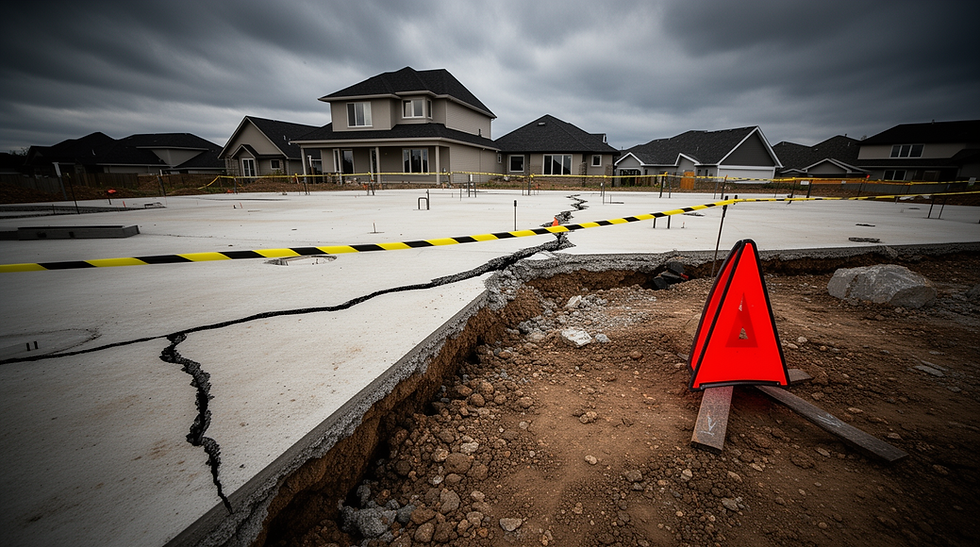
Much of California has clay that swells when wet and shrinks when dry. A dramatic shift from drought to deluge can lead to cracked slabs, heaved patios, and sticking doors and windows.
Rising Groundwater
A higher water table can cause seepage into crawlspaces and basements. It can also add pressure behind retaining walls and soften the soil that supports foundations.
Erosion and Undermining
Concentrated runoff from roofs, driveways, and poorly graded yards can wash out soil next to footings, retaining walls, and walkways.
Retaining Wall Stress
Walls without effective drainage behind them can tilt, bulge, or fail when the soil behind them becomes saturated.
Warning Signs to Look For Now
Cracks in Structures
Look for new or widening cracks in walls, slabs, driveways, or retaining walls.
Sticking Doors or Windows
Doors or windows that suddenly stick or will not latch can indicate underlying issues.
Leaning Structures
Be aware of leaning fences, trees, utility poles, or retaining walls.
Soggy Ground
Soggy ground or seepage in areas that are usually dry, especially at the toe of a slope, is a warning sign.
Ground Cracks or Bulges
Observe for ground cracks or bulges on or above a slope.
If you notice any of these signs, especially on a hillside property, it is worth having a professional evaluate the situation before the rainy season begins.
A Pre-Storm Checklist for Homeowners
Clean Gutters and Downspouts
Ensure gutters and downspouts are clean and that downspouts discharge water well away from the foundation and the top of slopes.
Check Surface Grading
Verify that surface grading directs water away from the house, not toward it.
Clear Drains and Weep Holes
Inspect area drains and V-ditches for debris. Clear drains and weep holes in retaining walls.
Protect Bare Slopes
Use erosion control measures such as straw wattles, mulch, jute netting, or plastic sheeting during storms.
Manage Water on Slopes
Avoid adding water to slopes by shutting off irrigation during the rainy season and repairing leaking pipes or pools.
Document Existing Cracks
Take photos and note dates of existing cracks to monitor if they are growing.
When to Call a Geotechnical Engineer
If you own a hillside home, are buying a property this fall, or are planning an ADU or addition, a Geotechnical Reconnaissance is a fast, cost-effective way to understand your site before the storms hit. We review local geology, landslide and liquefaction hazard maps, and historical aerial photos. Then we walk the site, looking for surface warning signs like cracking, seepage, and erosion. You will gain a clear understanding of where your property is vulnerable and what to address first.
For buyers, this assessment can uncover potential deal-breakers before contingencies expire. For current homeowners, it provides peace of mind or an early warning, allowing time to act.
Know your ground before the rain does. Call AK Geotech at 510-330-6533 or email adam@akgeotech.com to schedule a pre-storm Geotechnical Reconnaissance.



Comments