
The Role of Geotechnical Engineering Services in Construction

When planning a construction project, understanding the ground beneath the site is crucial. The stability and safety of any structure depend heavily on the soil and rock conditions where it will be built. This is where geotechnical engineering services come into play. These services provide essential information and recommendations that guide builders and developers in making informed decisions about foundation design, site preparation, and risk management.
Understanding Geotechnical Engineering Services
Geotechnical engineering services involve the study and analysis of soil, rock, and groundwater conditions at a construction site. These services typically include soil testing, site investigation, and the preparation of detailed reports that describe the subsurface conditions. The goal is to assess the suitability of the site for construction and to identify any potential challenges that could affect the project.
For example, soil testing can reveal whether the ground is stable enough to support a building or if it requires reinforcement. It can also detect the presence of expansive clay, loose sand, or high water tables, all of which can impact foundation design. By providing this information early in the planning process, geotechnical engineering services help prevent costly surprises during construction.
Key Components of Geotechnical Engineering Services
Several key components make up geotechnical engineering services. These include:
Site Investigation: This involves drilling boreholes, digging test pits, and collecting soil and rock samples. The data collected helps engineers understand the subsurface conditions.
Laboratory Testing: Samples taken from the site are tested in a lab to determine properties such as soil strength, density, moisture content, and permeability.
Soil Report Preparation: The findings from the site investigation and laboratory tests are compiled into a comprehensive report. This report includes recommendations for foundation design, earthworks, and drainage.
Foundation Design Support: Based on the soil report, engineers advise on the most suitable foundation type, whether it be shallow footings, deep piles, or mat foundations.
Construction Monitoring: Some projects require ongoing monitoring during construction to ensure that the ground behaves as expected and that the foundation is installed correctly.
These components work together to provide a clear picture of the site conditions and help ensure that the construction project proceeds safely and efficiently.
The Importance of Geotechnical Engineering in Residential Construction
Residential construction projects, especially in California, face unique challenges due to the region's diverse geology and seismic activity. Proper geotechnical engineering services are essential to address these challenges and protect homeowners' investments.
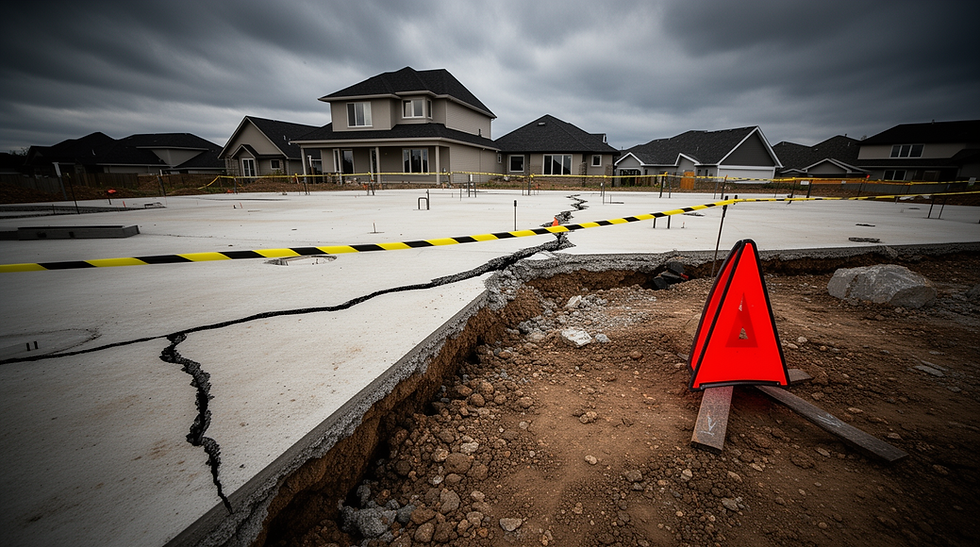
For instance, California's varied soil types can range from stable bedrock to loose, sandy soils prone to liquefaction during earthquakes. Without proper soil analysis, a home built on unstable ground may suffer from foundation settlement, cracking, or even collapse in severe cases.
Geotechnical engineering services help identify these risks early. They provide recommendations for foundation types that can withstand seismic forces and soil movement. Additionally, they guide builders on proper drainage and grading to prevent water accumulation that can weaken the soil.
By incorporating geotechnical insights, builders can design homes that are safer, more durable, and compliant with local building codes. This proactive approach reduces the likelihood of costly repairs and enhances the long-term value of the property.
Practical Recommendations for Builders and Developers
To maximize the benefits of geotechnical engineering services, builders and developers should consider the following practical steps:
Engage Early: Involve geotechnical engineers at the earliest stages of project planning. Early site investigation can influence design decisions and budget planning.
Request Comprehensive Soil Reports: Ensure that the soil report covers all relevant aspects, including soil classification, bearing capacity, groundwater conditions, and seismic considerations.
Follow Recommendations Closely: Use the foundation and site preparation recommendations provided in the soil report. Deviating from these can compromise structural integrity.
Plan for Site-Specific Challenges: Be prepared to address issues such as slope stability, expansive soils, or high water tables with appropriate engineering solutions.
Coordinate with Other Professionals: Work closely with architects, structural engineers, and contractors to integrate geotechnical findings into the overall project design.
Monitor Construction: Consider having geotechnical engineers monitor critical phases of construction to verify that conditions match the assumptions made during design.
By following these steps, builders and developers can reduce risks, avoid delays, and ensure that their projects meet safety and quality standards.
How Geotechnical Engineering Services Support Compliance and Safety
Compliance with local building codes and regulations is a fundamental aspect of any construction project. Geotechnical engineering services play a vital role in helping projects meet these requirements.
In California, building codes often require detailed soil reports and foundation designs that account for seismic hazards. Geotechnical engineers provide the necessary documentation and technical expertise to satisfy these regulations. Their reports demonstrate that the site has been thoroughly evaluated and that the proposed construction methods are appropriate.
Safety is another critical concern. Proper geotechnical analysis helps prevent structural failures caused by soil instability, landslides, or flooding. It also informs the design of retaining walls, slopes, and drainage systems that protect the site and surrounding areas.
Ultimately, geotechnical engineering services contribute to safer communities by ensuring that buildings are constructed on solid ground and designed to withstand environmental stresses.
Moving Forward with Confidence in Your Construction Project
Understanding the role of geotechnical engineering services is essential for anyone involved in construction projects. These services provide the foundation of knowledge needed to build safely and effectively.
By investing in thorough site investigations and soil testing, you can avoid unexpected problems and costly repairs. The insights gained from geotechnical reports allow for informed decision-making and help ensure that your project complies with regulations and meets safety standards.
For residential projects in California, where soil conditions and seismic risks vary widely, relying on expert geotechnical engineering services is a practical and necessary step. It supports the successful completion of your construction project and protects your investment for years to come.



Comments